

Management review is a required element in all GFSI-recognised standards.
Many organisations still approach it as a formal reporting moment.
Key data is presented, slides are approved, and the meeting is closed.
What is often missing is active steering.
Management review is the only structured moment where food safety performance, system risks, and business priorities are reviewed together.
This makes it a critical control point for management decision-making.
When used properly, management review strengthens ownership, alignment, and continuous improvement across the organisation.
Why a management review is necessary
A food safety system does not improve by itself.
Daily controls confirm whether teams follow procedures.
They do not show whether the system still supports the organisation under changing conditions.
Management review gives management that system-level oversight.
It enables leaders to assess trends, recurring issues, and structural risks.
The review covers objectives, audit outcomes, compliance status, and emerging threats.
Without this review, organisations detect issues too late and react under pressure.
With it, management intervenes earlier and steers decisions based on evidence.
Why GFSI puts so much weight on management review
GFSI benchmarks focus on leadership responsibility for food safety outcomes.
They require top management to own system performance, not only results.
Management review provides evidence of that ownership.
It shows how leadership evaluates risks, trends, and recurring weaknesses.
GFSI schemes recognise that controls alone do not prevent system failure.
They expect management to identify patterns before incidents or recalls occur.
Regular review confirms whether actions close gaps or merely contain symptoms.
Through management review, GFSI links operational control to strategic accountability.
Why many management reviews fail to add value
Many management reviews focus on reporting instead of steering.
Teams present data, but management does not challenge conclusions.
As a result, the same issues appear review after review.
In many cases, data lacks context, trends, or risk interpretation.
This makes it difficult for management to take informed decisions.
Another common issue is timing.
Reviews take place too late to influence priorities or resources.
In some organisations, ownership remains unclear after the meeting.
Actions get recorded, but follow-up stays weak.
When this happens, management review becomes a formality instead of a control mechanism.
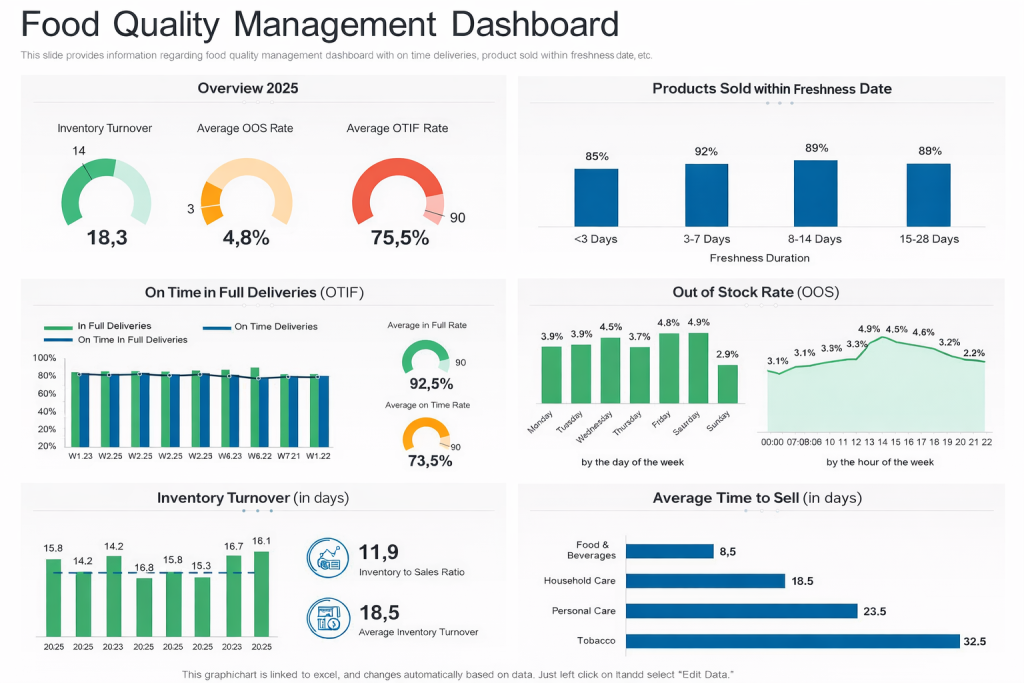
What top management actually expects to see in a management review
Top management expects clarity, not detail overload.
They want to understand whether food safety risks remain under control.
They look for trends that show improvement or deterioration over time.
Executives expect clear signals on where the system works and where it does not.
They want to see priorities, not long lists of findings.
Management looks for decisions that require direction, resources, or escalation.
They expect proposed actions with clear ownership and realistic timelines.
Above all, they want confidence that the organisation manages food safety proactively and not in response to incidents or audit findings.
What auditors expect to see in a management review
Auditors expect a structured and complete management review process.
They look for evidence that top management actively participates.
Auditors verify that all required inputs from the standard are covered.
They expect data to show trends, not isolated figures.
Auditors check whether management evaluates risks and system effectiveness.
They look for clear decisions, documented actions, and assigned responsibilities.
Auditors also verify follow-up on actions from previous reviews.
Above all, they expect management review to demonstrate control, leadership involvement, and continuous improvement of the food safety system.
What must be included in a management review
A management review must cover the performance of the food safety management system as a whole.
It should start with food safety objectives and whether the organisation meets them.
Management needs insight into audit results, including internal audits and external assessments.
The review must address complaints, incidents, recalls, and relevant near-misses.
Corrective actions require evaluation of effectiveness, not only completion.
Management also needs visibility on changes that affect the system.
These changes include products, processes, suppliers, legislation, and organisational structure.
Finally, the review must identify improvement opportunities and resource needs to support the system going forward.
What changes when management review takes place several times per year
More frequent management reviews change the focus of discussion.
Management spends less time reviewing history and more time assessing direction.
Data becomes easier to interpret because trends remain fresh and relevant.
Issues surface earlier, before they escalate into incidents or audit findings.
Decisions follow closer to operational reality.
Ownership becomes clearer because actions stay visible between reviews.
The review process shifts from compliance-driven to performance-driven.
For multi-site organisations, frequent reviews also support better alignment across locations.
Management Review – GFSI-Aligned Checklist
Below is a general checklist aligned with GFSI-benchmarked schemes such as FSSC 22000, IFS, BRCGS, and SQF.
Food safety and quality performance
-
Status of food safety and quality objectives
-
KPI trends and performance indicators
-
Effectiveness of preventive and control measures
Audit and compliance
-
Results of internal audits
-
Results of external audits and inspections
-
Status and effectiveness of corrective actions
Incidents and customer feedback
-
Complaints, deviations, and nonconformities
-
Incidents, withdrawals, recalls, and near-misses
-
Root cause trends and recurring issues
System changes and risks
-
Changes in products, processes, or suppliers
-
Organisational or staffing changes
-
Regulatory and customer requirement changes
-
Emerging food safety and fraud risks
Resources and competence
-
Training effectiveness and competence gaps
-
Resource needs (people, equipment, budget)
-
Infrastructure or maintenance concerns
Improvement and follow-up
-
Review of actions from previous management reviews
-
Improvement opportunities and priorities
-
Decisions taken and responsibilities assigned

How often a management review should take place
GFSI-recognised standards require management review to take place at planned intervals.
In practice, this means at least once per year.
However, frequency should reflect the size, complexity, and risk profile of the organisation.
For stable, low-risk operations, an annual review may be sufficient.
For dynamic environments, one review per year often comes too late.
Multiple reviews allow management to respond earlier to trends and emerging risks.
More frequent reviews also reduce the pressure on a single annual meeting.
They shift management review from a retrospective exercise to an active steering process.
How management review frequency affects preparation and follow-up
The frequency of management review directly influences how teams prepare.
An annual review often requires extensive data collection and consolidation.
This increases workload and shifts focus to reporting instead of analysis.
More frequent reviews allow teams to work with smaller, focused data sets.
They encourage trend monitoring rather than last-minute compilation.
Preparation becomes part of routine system management instead of a one-off effort.
Follow-up also improves when reviews take place more often.
Actions receive earlier attention and clearer ownership.
This reduces the risk of open actions carrying over from one year to the next.
How to organise management review in multi-site organisations
Multi-site organisations need a structured management review approach.
Local sites should perform their own management reviews.
These reviews focus on site-specific risks, performance, and improvement actions.
Corporate management then consolidates site-level outcomes.
This provides a group-wide view of trends and recurring issues.
Central review should address systemic risks, resources, and strategic priorities.
Clear alignment between local and corporate reviews is essential.
Defined inputs, timing, and responsibilities prevent gaps and duplication.
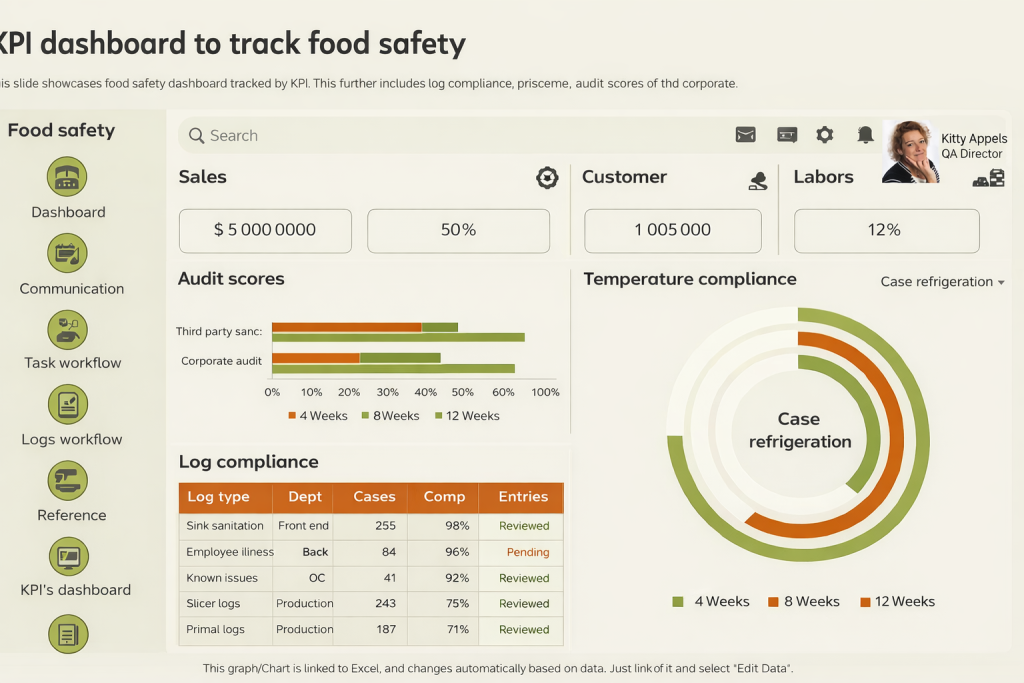
How to prepare an effective management review
Effective preparation starts well before the meeting.
Management review requires reliable, structured input data.
QA teams should define required inputs and owners in advance.
Data must show trends, not isolated results.
Information should focus on risks, performance, and improvement needs.
Clear summaries support decision-making at management level.
Preparation also includes defining decisions that management needs to take.
This ensures the review leads to direction, actions, and accountability.
What should come out of a management review
A management review must lead to clear outcomes.
Management should take documented decisions based on the information reviewed.
These decisions may include priorities, corrective actions, or system improvements.
The review should result in clear ownership for each action.
Timelines and expectations need to be agreed and recorded.
Management may also decide on resource allocation or changes to objectives.
Where risks increase, escalation or additional controls may be required.
These outputs confirm that management review drives control and improvement, not discussion alone.
How to document management review for audit purposes
Management review documentation must demonstrate structure and completeness.
Records should clearly show when the review took place and who attended.
Documentation must confirm that top management participated in the review.
The record should reflect all required inputs discussed during the meeting.
Auditors expect evidence of decisions taken, not only topics reviewed.
Actions must be documented with ownership and realistic timelines.
Follow-up on actions from previous reviews should be visible.
The format may vary, but consistency and traceability are essential for audit purposes.
Management review as leadership control
Management review only works when leadership takes ownership.
It is the moment where management confirms control over food safety risks and system performance.
Used correctly, it prevents surprises, reduces incident escalation, and limits audit stress.
It shifts food safety from reactive problem-solving to structured decision-making.
For organisations that want to strengthen this process, the 10 important steps for a successful management review provide clear guidance.
This training is also included in The Compliance Accelerator, supporting consistent implementation across teams and sites.